


Key Takeaways
- Progressive Web Apps (PWAs) are web-based applications that use modern web technologies to provide users with an app-like experience.
- PWAs provide a convenient and accessible option for businesses and organizations looking to offer a seamless experience to users.
- PWAs can be accessed through a web browser, but they offer features such as fast load times, offline access, and push notifications, similar to native mobile apps.
- PWAs use technologies such as service workers, web app manifests, and HTTPS to create a reliable and engaging experience for users across different platforms and devices.
- Unlike traditional web apps, PWAs can be installed on a user's home screen, allowing for easy access and increasing engagement.
Introduction
In today's digital age, the concept of progressive web apps (PWAs) has become increasingly popular. PWAs are web applications that provide users with a seamless experience that is similar to a native mobile application.

PWAs combine the best features of both native mobile apps and web applications, creating a unique user experience. With their use of modern technologies such as service workers, PWAs allow for faster loading times and improved performance when compared to traditional web applications.
We're here to provide an overview of what PWAs are and how they can be beneficial to users who desire a more convenient and accessible online experience.
Definition of Progressive Web Application
What is a progressive web app? A progressive web app (PWA) is a type of application that leverages modern web technology to deliver an app-like experience to users. It combines the features of a website with the benefits of a native app, such as push notifications, offline access, and device hardware access.
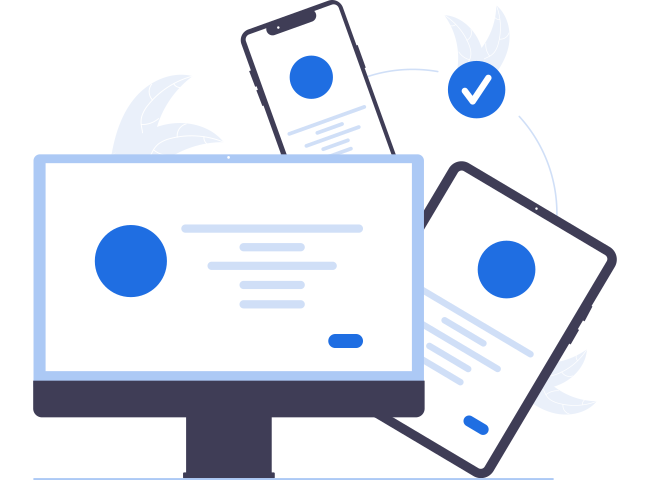
PWAs are built with technologies like web app manifest and service workers, which enable them to be installed directly from a website onto a user's device.
They also offer users the convenience and ease of use associated with native apps while retaining the accessibility and reachability of websites. PWAs can be found through search engines or shared links, eliminating the need for users to download them from an app store.
Another advantage is that they require little space on devices and tend to load faster than traditional web pages. This makes them ideal for low bandwidth environments and users who have limited storage capacity on their devices.
Overview of PWAs
A PWA offers users the best of both worlds: convenience and capability. PWAs are designed to provide a fast, reliable, and engaging user experience on any device with access to the internet.
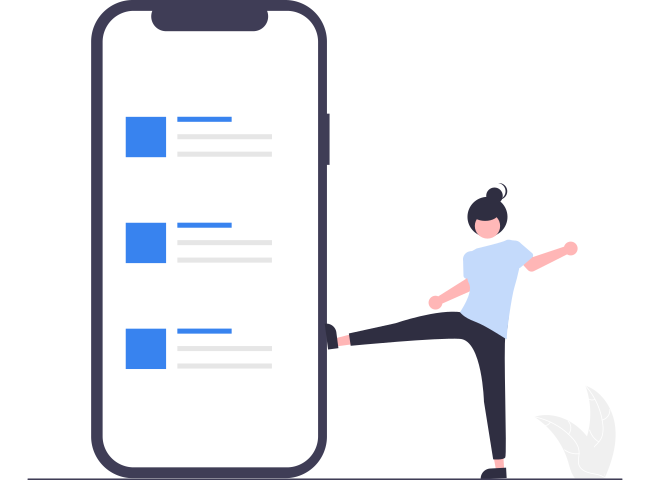
The main components of PWAs include:
- A Service Worker: This is an essential feature that allows for offline usage, background synchronization, and push notifications.
- Responsive Design: This ensures PWAs are usable across multiple devices and screen sizes.
- App-Like Interactions: PWAs will often have features such as swiping left or right to navigate pages or pull-down refresh.
- Secure Connection: All communication between the PWA and web server must be secure using HTTPS protocol to ensure data privacy.
With these components in place, PWAs offer users a seamless experience regardless of their device or connection speed. They can also be installed on mobile devices with just a few clicks without needing to go through an app store like a traditional native app would require.
How a Progressive Web Application Works
Progressive web applications are built using standard web technologies such as HTML, CSS, and JavaScript. They use service workers to allow for caching of data and resources so that they can work offline or with limited network connection.
PWAs also leverage existing web APIs such as Push Notifications and Geolocation to provide additional functionality. PWAs can also be integrated into mobile device home screens like native apps, providing a seamless user experience for users who want the convenience of an app without having to download it from an app store.
PWAs are designed to provide users with a fast, reliable, and accessible web application regardless of network conditions or device capabilities.
By leveraging modern web technologies, PWAs offer users the ability to access content quickly with enhanced performance and improved usability compared to traditional websites.
Examples of a Progressive Web Application
Progressive web app examples include Google Docs, Google Sheets, and Google Slides. These applications are designed to run on any device, such as a laptop, mobile device, or tablet.
They also work in offline mode and can be accessed from web browsers. They are fast and responsive, which makes them highly reliable for users.
Such web app examples are secure and can be updated easily without the need for manual installation or downloads. In addition, they provide users with access to all the features of their desktop counterparts without the need for large downloads or installations on any device.
Benefits of Progressive Web Apps
So, what makes progressive web apps so great?
- PWAs make it easier for users to access content on mobile devices, offering an optimized user interface that is always up-to-date. This allows users to interact with the app without the need for downloading or updating.
- PWAs are designed to take full advantage of modern web technology and provide a reliable experience across all platforms.
- They also improve the performance of websites and applications by utilizing caching techniques that reduce the amount of data transmitted over the network. This helps to speed up loading times and improves the overall user experience.
- PWAs can be installed directly from a website without having to use an app store or undergo lengthy installation processes. This allows users to get access to content quickly and easily, thereby increasing engagement levels.
Challenges of Progressive Web Apps
Developing a progressive web app is no easy feat. It requires a high level of expertise and technical knowledge, as well as an understanding of the complexities of web app development.
Push Notification Code
The process of creating code for push notifications, as well as the security that comes with them, can be time-consuming and difficult.
A Challenging User Experience
Creating an intuitive user experience is also a challenge when developing a progressive web app. Solutions can involve incorporating interactive elements such as animations or videos that respond to user input.
Cross-Platform Compatibility
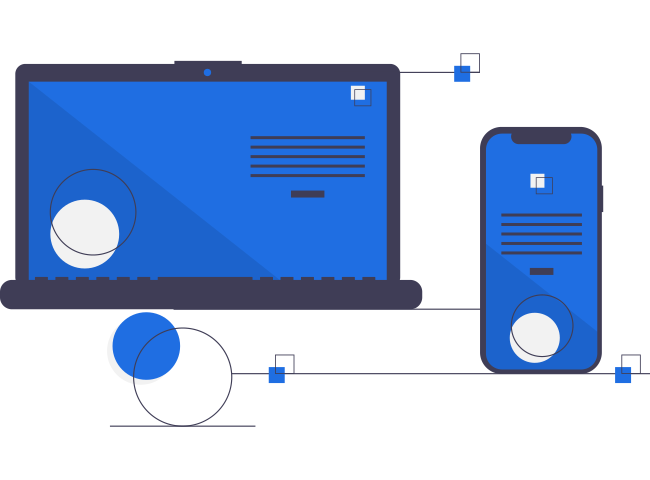
In addition, it’s essential to make sure that all features work seamlessly across different platforms, so users feel like their experience is not compromised regardless of what device they use.
With all these challenges in mind, PWA developers must take extra care when building their progressive web apps if they want their projects to be successful.

Custom Development with PWAs
Are you looking for a custom-built PWA, or need an existing one integrated with your current tech stack? Clarity Ventures would like to show you how it's done. We offer a complimentary discovery process, a no-pressure call where we'll help you create a plan for getting your PWA up and running. Get in touch to find out more about building or integrating PWAs!
FAQ
What is meant by progressive web apps?
Progressive Web Apps (PWAs) are web-based applications that use modern web technologies to provide users with an app-like experience. PWAs can be accessed through web browsers, but they offer features such as fast load times, offline access, and push notifications, similar to native mobile web apps.
PWAs use technologies such as Service Workers, Web App Manifests, and HTTPS to create a reliable and engaging experience for users across different platforms and devices. With PWAs, users can interact with web apps seamlessly and without the need to install or update an app, making them a convenient and accessible option for businesses and organizations.
What is progressive web app integration?
Progressive Web App (PWA) integration refers to the process of incorporating PWA technology into a website or web application. PWAs are web-based applications that provide users with an app-like experience, such as fast load times, offline access, and push notifications.
By integrating PWA technology, websites can improve their user experience and engagement, as well as give users an experience similar to native mobile apps. This is achieved by using progressive enhancement techniques to create a seamless experience for users across different platforms and devices.
Why use progressive web apps?
There are several reasons to use Progressive Web Apps (PWAs). First, PWAs offer an app-like experience to users, with features such as fast load times, offline access, and push notifications, making them a convenient and engaging option for businesses and organizations.
Second, PWAs can be accessed through a web browser, eliminating the need to download and install an app from an app store. This makes PWAs more accessible to users who may not have access to native mobile apps. Third, PWAs can be installed on a user's home screen, allowing for easy access and increasing engagement.
Still have questions? Chat with us on the bottom right corner of your screen.
Related resources

Stephen Beer
Stephen Beer is a Content Writer at Clarity Ventures and has written about various tech industries for nearly a decade. He is determined to demystify HIPAA, integration, and eCommerce with easy-to-read, easy-to-understand articles to help businesses make the best decisions.
Build your progressive web app with us
From resource guides to complimentary expert review... we're here to help!
Get More Info