


Key Takeaways
- Enhancing a digital eCommerce storefront improves the overall user experience, ensuring easy navigation, an intuitive interface, and fast loading times, leading to higher customer satisfaction and loyalty.
- An online store with visually appealing designs and high-quality product images creates a positive impression, increases engagement, and boosts conversions.
- It also helps businesses stand out in the competitive online marketplace, attracting more potential customers and driving sales.
- An optimized eCommerce business storefront improves search engine visibility, driving organic traffic to the website.
- Overall, enhancing the digital eCommerce storefront enhances brand image, customer trust, and business success in the digital realm.
Design Solutions for Digital eCommerce Storefronts
A 2006 Carleton University study showed that after just 50 milliseconds, a visitor to your website has formed a judgment about your site's visual appeal. This is why the design and appearance of your digital storefront matters—it only takes one glance for someone to decide if they'll stay or bounce.
Making Your Own Site Better
Clarity's B2B and B2C multivendor marketplace platform, Clarity eCommerce Framework™, allows your business to run multiple eCommerce storefronts from a single dashboard and database. This design, along with its HTML-CSS skin, enables you to deliver separate, targeted online shopping experiences to different customer bases without any added complications on the back end.
The Features You Need to Boost Sales
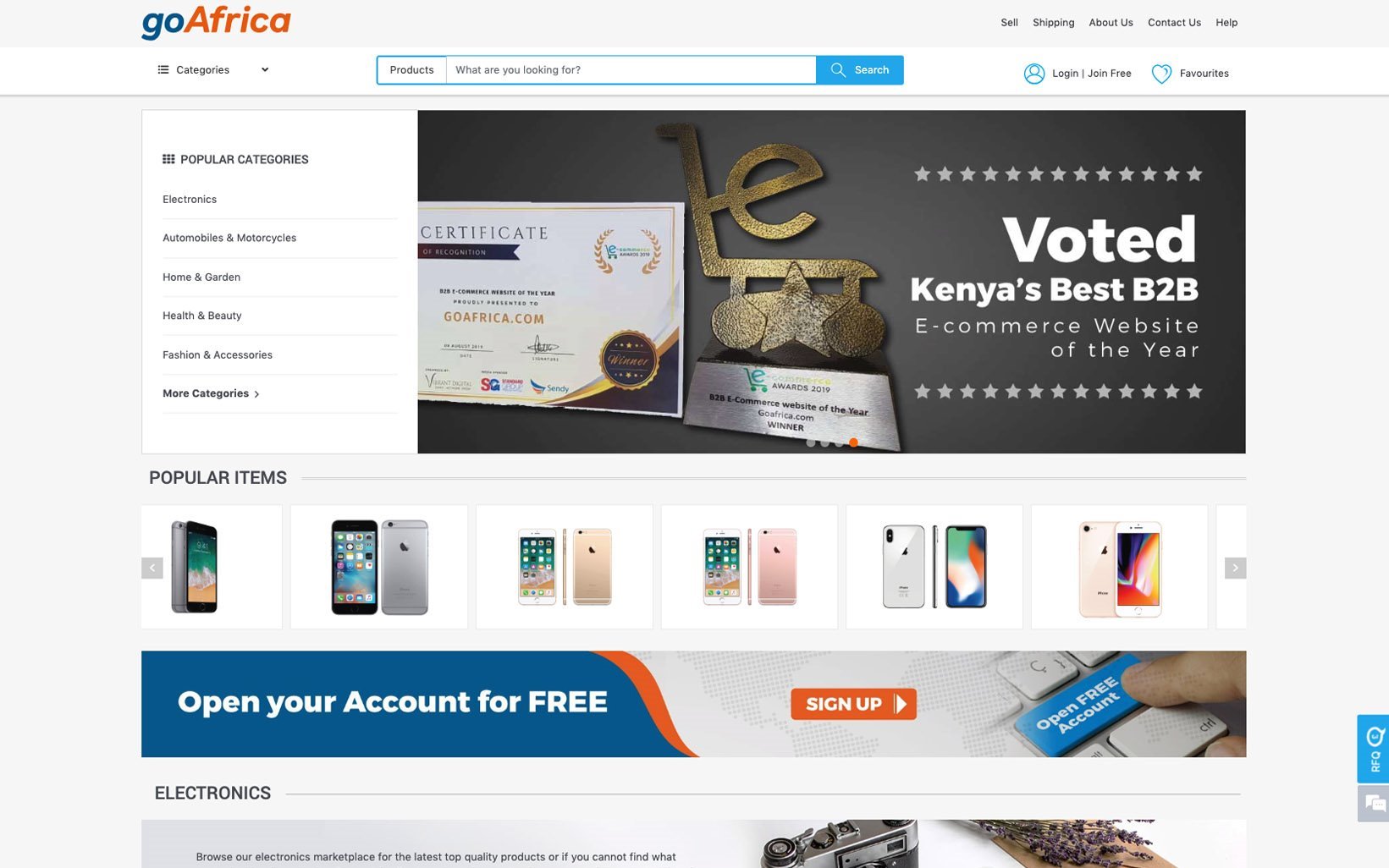
Targeted branding, functionality, product cataloging, and unique experiences can increase conversion rates and the value of the average order. Furthermore, it displays images using immersive zoom and dynamic image resizing, which means you can upload a high-resolution image and it will be sized perfectly for your product page.
Clarity's multivendor eCommerce software solution makes your business goals attainable.
Use Product Categories to Show Relevant Product Examples
Product pages are designed to show off product details and display the most crucial information to the customer. Site search allows customers to quickly locate the items they are looking for and add them to their cart. Products can also be organized into unlimited categories for intuitive filtering; there is no limit to the ways you can allow customers to filter results.
Better Search, More Sales

A highly operational search function suggests products as the customer types in their query, both within a single digital store and across a multivendor eCommerce implementation. This ensures that search results provide relevant product examples. We've adopted Elasticsearch because some of our clients run millions of SKUs in a single catalog. Fuzzy logic matching, predictive autofill, and pagination are just a few of the hundreds of features within Elasticsearch.
Mobile Responsive Design for an Online Store
Clarity creates websites made to convert sales on all devices, and none are more crucial at this point than mobile. Allow Clarity to pair your multivendor eCommerce store with a fully responsive site that will deliver an excellent and consistent customer experience across all technologies.


Talk to us about your project
Well-designed Navigation is the Roadmap to Your Visitor's Success
Shopping Features for Your eCommerce Store
Make shopping more convenient by activating the robust multivendor marketplace features of Clarity eCommerce Framework:

Just like the biggest online retailers, your store can retain customers' carts when they leave the store, making a purchase easier and more likely when they return.

Shareable wishlists make it easy for customers to keep tabs on items they are thinking of buying and send lists to friends and family to buy their gifts from your store.

Display items that the customer might also be interested in. These can be accessories, warranties, or incentives to buy more (e.g., buy 2, get 50% off the 2nd order).

Display suggested bundles of commonly paired items and offer a discount for buying them together (e.g., buy 2 or more accessories, get 20% off all accessories).
Display suggested bundles of commonly paired items and offer a discount for buying them together (e.g., buy 2 or more accessories, get 20% off all accessories)
Customer Reviews Are Gold for an eCommerce Business
Social proof is the most powerful selling tool at your disposal, and the most valuable is a customer review. Research shows that having just one positive review on a product page can raise conversions, and more positive reviews can lift sales further.

Clarity's multistore solution makes implementing product reviews simple, which increases the likelihood of a customer leaving a review after online sales have occurred.
ECommerce Website Development for Digital Storefronts
If you are looking for a multivendor digital storefront solution, look no further than Clarity eCommerce Framework™. With customizable features, robust elements, and our expert eCommerce website developers, we can design a solution that will fit your company's needs so that you can have your own online store.
You can have a professionally designed online storefront with excellent search functionality, unique experiences for customers, a seamless user interface across devices, and more. All of these features will allow your business to grow in a competitive eCommerce marketplace.
FAQ
What is a digital eCommerce storefront?
A digital eCommerce storefront is an online platform or website where businesses display and sell their products or services to customers. It serves as a virtual representation of a brick-and-mortar shop, enabling customers to browse, select, and purchase items online.
The storefront provides a centralized location where customers can explore various products, view detailed descriptions and images, compare prices, and proceed with secure transactions. It encompasses elements such as product catalogs, shopping carts, payment gateways, and checkout processes. A well-designed digital eCommerce storefront facilitates a seamless shopping experience, enhancing customer convenience, accessibility, and engagement in the online store.
Why is it important to enhance my digital eCommerce site?
Enhancing your digital eCommerce site is crucial due to several reasons. First, it improves the overall user experience, ensuring easy navigation, an intuitive interface, and fast loading times, which leads to higher customer satisfaction and loyalty. Second, a visually appealing online store with high-quality product images and descriptions creates a positive impression, increases engagement, and boosts conversions.
Third, enhancing your online store helps your online business stand out in the competitive online marketplace, attracting more potential customers and driving sales. Additionally, a well-optimized storefront can improve search engine visibility, driving organic traffic to your site. Overall, enhancing your digital eCommerce store enhances your brand image, customer trust, and success.
What are some ways to enhance my digital eCommerce storefront?
There are several effective ways to enhance your digital eCommerce storefront.
- Optimize the performance and speed of your website to provide a seamless browsing experience.
- Implement a responsive design that adapts to different devices.
- Utilize high-quality product images and videos to showcase your offerings effectively.
- Streamline the navigation and make it easy for customers to find products.
- Incorporate customer reviews and ratings to build trust.
- Offer personalized product recommendations based on customer preferences.
- Integrate social media sharing buttons to encourage customers to share products.
- Ensure a secure and streamlined checkout process with multiple payment options.
- Leverage SEO techniques to improve search engine visibility.
- Utilize data analytics to gain insights and make data-driven improvements.
How can I improve the user experience of my eCommerce storefront?
Improving the user experience of your eCommerce storefront is essential for increased conversions and satisfaction for customers worldwide. Start by optimizing website speed and performance to minimize loading times. Implement an intuitive and user-friendly interface, ensuring easy navigation and accessibility across devices. Streamline the checkout process, reducing steps required for a purchase.
Next, provide detailed product information, clear pricing, and high-quality visuals. Incorporate customer reviews and ratings to build trust and social proof. Offer personalized recommendations based on customer preferences and browsing history. Enable a robust search functionality to help business users find products easily. Ensure mobile responsiveness and compatibility. Continuously gather user feedback and make improvements based on insights.
Should I invest in professional product photography for my eCommerce storefront?
Investing in professional product photography for your eCommerce storefront is highly recommended. High-quality product images significantly impact the perceived value of your products and enhance the overall visual appeal of your website. Clear, well-lit, and detailed product photos create a positive impression, attract customers, and increase the likelihood of conversions and sales.
Professional photography showcases your products in the best possible light, providing an accurate representation of their features and quality. It helps build trust and credibility among potential buyers, leading to a better overall experience shopping online. Investing in professional product photography is a worthwhile investment that can yield long-term benefits for your eCommerce sites.
Can a brick-and-mortar store become an online store?
Yes, a brick-and-mortar store can successfully transition into an online store through a process known as "omnichannel retailing." A professional eCommerce website builder is usually brought in to help the store owners create the online store.
This strategic shift involves leveraging the advantages of both physical and digital platforms to enhance customer experience and reach a wider audience to start selling online.
- The store needs to establish a strong online presence by creating a user-friendly website or joining established e-commerce platforms. This online platform should showcase products effectively, provide secure payment options, and have a seamless checkout process. Additionally, investing in a responsive design ensures compatibility across various devices.
- The store must implement a robust inventory management system that synchronizes both physical and online stock. This prevents issues like over-selling or under-stocking, ensuring a consistent customer experience.
- Effective marketing is crucial. The store can utilize social media, content marketing, and paid advertising to drive traffic to their online platform. They can also leverage their existing customer base, informing them of the new online option and providing incentives for online purchases.
- Customer service remains pivotal in the transition. The store should offer various communication channels such as live chat, email, and phone support. Prompt responses to customer inquiries and concerns build trust and loyalty.
- Shipping and fulfillment logistics must be streamlined to guarantee timely deliveries. Options like click-and-collect or curbside pickup can bridge the gap between the physical and digital realms.
- Analytics and data-driven insights are invaluable in understanding customer behavior, preferences, and sales trends. This information can be used to refine marketing strategies and optimize product offerings.
- Security measures should be in place to protect customer data and online transactions. This includes SSL certificates, secure payment gateways, and compliance with data protection regulations.
By embracing technology, adapting strategies, and maintaining a customer-centric approach, a brick-and-mortar retail store can successfully transition into a thriving online presence and join the eCommerce industry, ensuring its relevance in the evolving retail landscape.
What is a storefront in eCommerce?
A storefront in eCommerce refers to the online eCommerce platform or website where businesses display and sell their products or services to customers. It serves as a virtual representation of a physical store, providing a digital space for customers to browse, select, and purchase items.
The storefront typically includes product catalogs, search functionality, shopping carts, and secure checkout processes. It showcases product details and pricing, and often incorporates visuals such as images or videos to enhance the experience shopping online. A well-designed eCommerce storefront ensures an intuitive interface, seamless navigation, and a visually appealing presentation of products, fostering customer engagement and driving sales.
How can I measure the success of my eCommerce store enhancements?
Optimizing your eCommerce store for search engines is essential for improving visibility and attracting organic traffic. Start by conducting keyword research to identify relevant and high-value keywords for your products. Optimize your website's meta tags, titles, and descriptions with these keywords. Ensure your product titles and descriptions are unique and descriptive. Create SEO-friendly URLs that include relevant keywords.
Improve your website's loading speed and performance. Utilize internal linking to enhance navigation and search engine crawling. Generate high-quality backlinks from reputable sources. Provide descriptive alt tags for your product images. Regularly update your website with fresh, relevant content such as blog posts. These practices can enhance your eCommerce storefront's search engine optimization and drive more targeted traffic to your site.
How can I optimize my eCommerce storefront for search engines?
Optimizing your eCommerce storefront for search engines is essential for improving visibility and attracting organic traffic. Start by conducting keyword research to identify relevant and high-value keywords for your products. Optimize your website's meta tags, titles, and descriptions with these keywords. Ensure your product titles and descriptions are unique and descriptive.
Create SEO-friendly URLs that include relevant keywords. Improve your website's loading speed and performance. Utilize internal linking to enhance navigation and search engine crawling. Generate high-quality backlinks from reputable sources. Provide descriptive alt tags for your product images. Regularly update your website with fresh, relevant content such as blog posts. These practices can enhance your eCommerce storefront's search engine optimization and drive more targeted traffic to your site.
How many storefronts can an online store have?
An online store can have multiple "storefronts" or variations, each catering to different target audiences, product lines, or geographical locations. These storefronts are essentially individual interfaces within the larger online store, customized to provide a distinct shopping experience on the eCommerce website.
For instance, an online business that sells apparel may have separate sections for men's, women's, and children's clothing, each functioning as its own full online store. Businesses may also create regional storefronts to accommodate diverse markets, offering language and currency preferences specific to those areas.
Niche products or services can warrant specialized storefronts on the eCommerce website to better engage specific customer segments. Each storefront maintains its unique branding, layout, and product catalog while operating under the overarching umbrella of the parent online store. The number of storefronts a store can effectively manage depends on the resources, logistics, and technology available to eCommerce store owners.
Still have questions? Chat with us on the bottom right corner of your screen.
Related resources
- Unlimited eCommerce Product Tagging
- Is Shopify ADA Compliant? Website Compliance and ADA
- What Is B2B Ecommerce? Definition, Types, and Examples of Use
- B2B eCommerce Trends to Grow Your Business
- Best B2B eCommerce Software Solutions (Buyer Guide)
- Quotes on E-Commerce Platforms: Optimizing Your B2B Quotation Management Process
- FMCG E-Commerce: Fast-Moving Consumer Goods and Online Sales
- What Is Headless Commerce? Complete Guide
- What Is the Cost of a eCommerce Website?
- Enterprise eCommerce Platforms: A 2026 Buyer's Guide
- 11 eCommerce Pricing Strategies for Sellers
- ECommerce APIs Explained – An Overview of API Integration and its Benefits
- Split Shipping on eCommerce Sites and Portals
- How Quote Carts Can Help Your eCommerce Platform
- eCommerce Group Ordering and Buying Groups
- eCommerce Mini-Carts: Increase Checkout Rates
- eCommerce Inboxes: The Ultimate Guide
- How to Optimize Your eCommerce Product Details Page for Maximum Conversions
- Catalog Pages for Your eCommerce Store
- Bulk Ordering in eCommerce: Streamline Your Process
- Impersonation: The eCommerce Support Feature
- Product Catalog: What It Is & How It Can Help
- Enhance Your eCommerce Digital Storefront
- What to Know About Inventory Management
- Mobile Responsive Design and Why Websites Need It
- Cloud eCommerce
- B2B eCommerce Best Practices Guide: Executive Summary
- Choosing the Best Wholesale eCommerce Platform: 2026 Guide
- C2C Meaning and Marketplace Tips
- How to Use eCommerce Analytics for Greater Success
- B2B eCommerce Back-office Custom Features
- Customer-Specific Pricing in eCommerce
- How Custom Website Design Helps You Win Customers
- Taxes and VAT in eCommerce – What You Need to Know
- Elevate Your eCommerce Business with Subscriptions
- How to Choose the Best eCommerce Hosting Services
- eCommerce Product Management – A Complete Guide
- Headless eCommerce for Your Marketing Activities

Autumn Spriggle
Autumn Spriggle is a Content Writer at Clarity Ventures who stays up to date on the latest trends in eCommerce, software development, and related topics to provide readers with the latest and greatest. She strives to help people like you realize the full potential for their eCommerce business.