


Introduction
A multistore eCommerce platform can support and help businesses expand to a global marketplace in a variety of ways. For example, different stores can focus on different countries or enable certain workflows for that particular region. Let's dive into all the ways a multi-store marketplace platform helps your business expand into the global market.
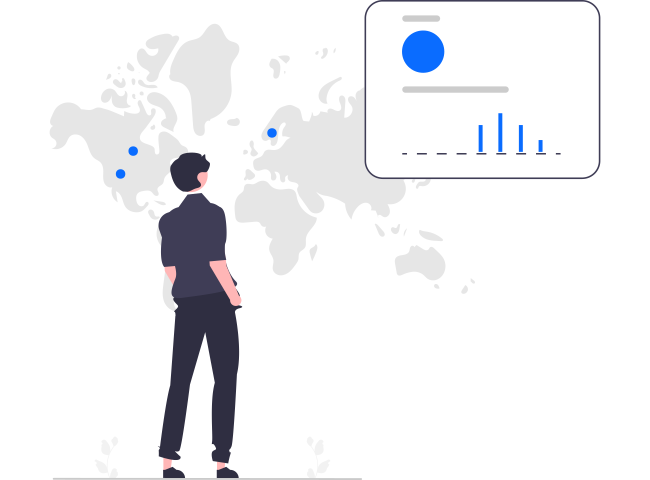
Focus on Regional Particularities to Expand into the Global Market
One aspect of a multi-store eCommerce platform is that different stores can focus on specific aspects of a region. For example, some places may have currency exchange requirements or different customs procedures. Commonly, these workflows include local dialect, currency, and logistical partners.
Logistical Partners
When it comes to logistics in a global marketplace, you want to be as efficient and fast as possible to maximize customer satisfaction and increase sales. So, if you have stores within your marketplace catering to different regions, you'll want to pair the stores with shipping providers and warehouses that work best for that location and purpose. There may also be areas that just have different last-mile shipping providers for intermodal shipping.
In other words, each store can connect to local logistics partners based on the area it's catering to.
Website Presentation
In different regions or countries, the expectations and preferences for the design, presentation, and navigation of the online storefront will vary quite a bit. Your success in a given region can heavily depend on whether your website is intuitive and user-friendly enough for the people using it.
Therefore, you'll want to tailor each store's design to its region, and make sure to update the design regularly to keep up with current trends and appeal to more customers.
Internet Accessibility
In addition to regional preferences and expectations in design, there can be mechanical differences as well. The primary way a given place connects to the internet, such as through broadband or wifi, cellular networks, or satellite, affects how well your site will work in that area. A multi-site or multi-store platform can offer a low-bandwidth friendly presentation where it's needed.
Keep Data Accurate
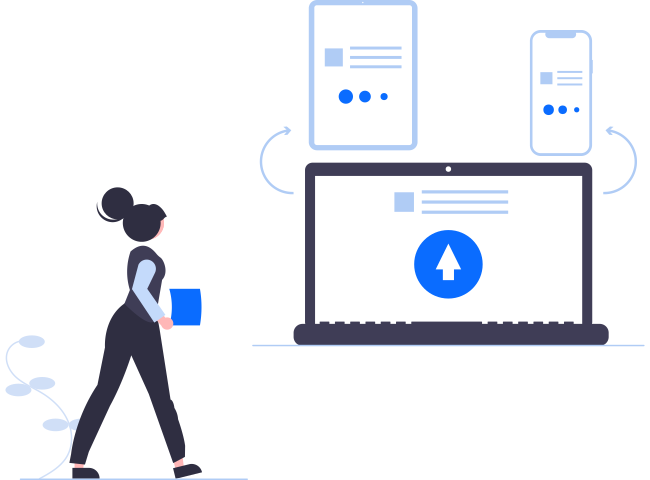
While narrowing what's available by country or region, make sure that it all operates based on the same underlying set of data so everything stays accurate. If you need help integrating your ERP or setting up a multistore marketplace platform, Clarity can help.
Expand Your Reach and Mobility with Multivendor Software
After expanding into the global marketplace, how does a multi-store platform with multivendor capability help you develop and scale your business? The vendors of your marketplace will be able to operate in additional locations, thus expanding the reach of your marketplace and increasing the vendors’ opportunities.
Location-Based Preferences for Vendors
In addition to having a multi-store marketplace platform, a multi-vendor platform can be key for a global marketplace. There are some major advantages for vendors within certain countries or regions as there may be strong preference for vendors in that region, or a preference for vendors that are local to the user. For instance, one vendor may thrive in a European region while another will do really well in an Asian region. This may be due to what they're selling being more popular in that area, their familiarity with the people there, or their knowledge of the marketing strategies that are most effective for people of that culture.
Increased Shipping Access

There are also major logistical advantages for having multi-vendor offerings in global eCommerce because the vendors’ physical proximity helps keep shipping costs down. It can also be really helpful for dealing with customs, duties, and taxes to have the shipping come from a particular region that certain vendors have drop shipping capabilities from. Customers can also get their items faster when they are shipping from a nearby warehouse. This drives up customer satisfaction.
Multiple Vendors & Stores
Multivendor capabilities along with multi-store is a key advantage for a global marketplace.
Fundamental Features for Global Multi-Store Software
There are several key features for multivendor and multi-store global marketplaces. When you are looking for a software that can support your activities on an international scale, here are the top two things to consider.
Translate Content Accurately So Users Can Find Products
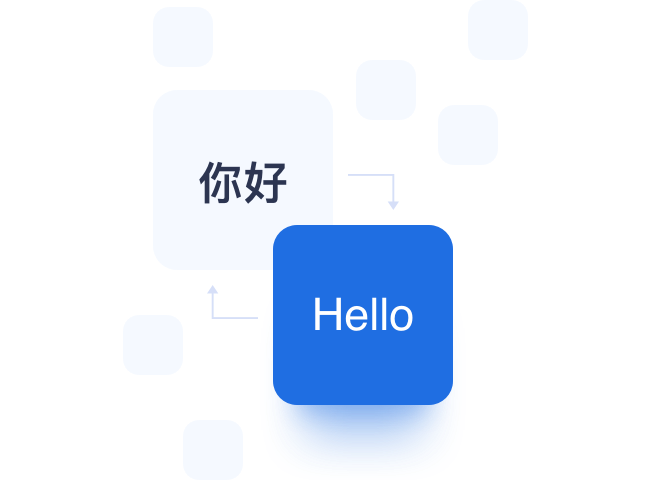
When it comes to a global eCommerce multi-store and multivendor marketplace platform, one of the most critical things is making sure the vendors can properly translate their content. Product pages and attributes need the right currency, language, and imagery that matches each region's expectations. Otherwise, users won't be able to find what they're looking for.
Having robust vendor management and platform governance is crucial to a global offering. This includes handling multilingual and multicurrency aspects as well as logistical aspects with the products and categories. This is how users will find things, and if this doesn't work well, nothing else really matters beyond that point because no one will be able to find anything to buy.
Specifically, you need to make sure the translation capability for the site is really strong. To do this, you can make a plan with your internal team, enable vendors to provide their own translations and relevant pricing in different currencies, or do it dynamically using an API to provide reasonable translations. Though keep in mind that if the translation is done through an API or online translation service, most of the time it won't be as high quality as the site visitor would probably prefer. It's usually better if done by a human being. Then the question becomes how will your team allocate or get the resources to do this?
There are some really powerful capabilities for translation with third party resources, and then if the site has the ability to interact with translators who use standard protocols for pushing and pulling their translations, this can logistically reduce the overhead for the translation teams to be able to download the content, complete their translations, and then upload the content. Having version control for the content is also really key, so you definitely want to incorporate that into your system and process.
Multicurrency Conversion Is Key to Global Expansion

It's necessary for a global eCommerce platform to have multicurrency not just for vendors within their own regions and subdomains, but also across different regions and countries. Some vendors might sell items in particular countries where the currency might differ for each purchaser. Some items may need to be shipped across country borders, so you need to be able to convert the buyer’s currency into the vendor’s and vice versa. It’s important to be cognizant of all this, so you can track transactions in the required currency, do any conversions necessary, and be able to properly represent from an accounting perspective what those conversions were, and persist those and then be able to deal with all the accounting and logistics around getting the funds to a particular vendor.
A lot of payment providers and payment gateways don't transact with all of the different currencies, which can be a logistical challenge. It's important to work with the right providers and offer the right gateways for where you're selling so you have the correct currencies. When dealing with high-demand vendors who add a lot of value to your marketplace, you need an infrastructure that can handle the nuances of where they're located, what kind of currency and language their data is in, etc.
Translations & Currency Conversion

For a global multi-store and multivendor marketplace platform, properly translating content and having the right currency displayed for each region are essential to success. Without the right translations, users can't find what they want to buy. Without the right currency, users will be less certain, may trust your site less, and will be less likely to go through with the purchase.
Talk to Marketplace Development Experts
Clarity’s expert team has years of experience developing and enhancing platforms for marketplace eCommerce industries. If you find this information helpful for your business goals and want to learn more, we encourage you to reach out and talk to one of our experts. We’d be happy to discuss this further with you, and we’d be interested in hearing about your projects and areas you want to grow. We also offer a free demo and no-obligation price quote. Click below to contact us, and we’ll be in touch.
FAQ
What is multi-seller marketplace?
A multi-seller marketplace is an eCommerce platform that allows multiple vendors to sell their products online. The platform serves as a central hub for buyers and sellers to come together, making it easier for customers to find the products they need in one place. The multi-seller model also helps reduce the cost of onboarding individual merchants and managing inventory for an online store.
What is multi-store eCommerce?
Multi-store eCommerce is an online retail platform that allows multiple store owners to create and manage digital storefronts. The platform provides a single point of access for customers who can browse and purchase items from multiple vendors all in one place. Multi-store eCommerce also offers features such as customer reviews, payment platforms, shipping options and other integrations to make running an ecommerce business more efficient.
What is an example of a multivendor website?
An example of a multivendor website is Amazon.com. Amazon is an online marketplace that enables vendors to sell their products directly to customers in one centralized location. Vendors can create listings for items they wish to sell, offering customers a large selection of products from multiple brands and sellers. Customers can also purchase items with their credit or debit cards or through other payment methods.
Still have questions? Chat with us on the bottom right corner of your screen.
Related resources
- Key Marketplace Considerations
- Filtering and Categorization of Products
- Content Sourcing Practices & Workflows
- Best Buyer Dashboard Features
- Best Cart Features & Workflows
- eMarket Line of Business Integrations – Vendor Portals
- Split Payment Utility in Marketplace Software
- How Multistore Platforms Support Global Marketplace
- eMarket Integrations: Products, Categories, & Marketing Content
- eMarket Integrations: Customer Specific Pricing Rules
- eMarket Integrations: Warehousing & Inventory Strategy
- eMarket Integrations: Region-Specific Shipping Process
- Multi-Vendor Marketplace Development
- Multi-Store & Multi-Vendor Marketplace Management
- Global Auction Platform
- Advantages of Multi-Store and Multi-Vendor Platforms
- Challenges for Multi-Store and Multi-Vendor eCommerce
- How Headless CMS Enhances Multi-Vendor eCommerce

Autumn Spriggle
Autumn Spriggle is a Content Writer at Clarity Ventures who stays up to date on the latest trends in eCommerce, software development, and related topics to provide readers with the latest and greatest. She strives to help people like you realize the full potential for their business.